Navigating Wi-Fi troubles can be frustrating, yet often solvable with basic steps; understanding common issues and solutions is key to restoring connectivity.
Fortunately, many problems stem from simple causes, like needing a restart or a tightened cable, ensuring a swift return to online access.
Learning to diagnose and fix Wi-Fi problems empowers users to maintain a stable connection, especially crucial in today’s digitally dependent world.
Overview of the Honey Bee Colony
A honey bee colony is a remarkably organized society, functioning as a single, cohesive unit. Troubleshooting connectivity issues often begins with the simplest steps – a restart of equipment or ensuring cables are securely connected. This parallels the colony’s need for consistent function.
The colony consists of three distinct castes: the queen, workers, and drones, each with specialized roles vital to the colony’s survival. Much like diagnosing Wi-Fi problems, understanding each component is crucial. If Wi-Fi isn’t working, checking device settings and running antivirus scans are initial steps.
Workers, all female, perform tasks like foraging, nursing brood, and building comb. Drones’ sole purpose is to mate with the queen. The queen lays all the eggs, ensuring the colony’s continuation. A stable connection, like a thriving colony, requires all parts working harmoniously. When facing outages, identifying if the issue lies with your device, router, or internet service provider is key.
Maintaining this intricate social structure is essential for the colony’s success, mirroring the importance of a stable Wi-Fi connection in our modern lives.
Importance of Understanding the Life Cycle
Grasping the honey bee life cycle is paramount for beekeepers and those interested in pollinator health. Similar to troubleshooting Wi-Fi, understanding the process helps identify and address potential issues. When connectivity falters, simple steps like restarting equipment often resolve the problem.
Knowing the stages – egg, larva, pupa, and adult – allows for timely intervention if development is disrupted. Just as checking device settings and scanning for malware are initial Wi-Fi fixes, monitoring bee development ensures a healthy colony. Recognizing the signs of disease or parasite impact is crucial, akin to identifying the source of internet outages.
Furthermore, understanding the roles of each bee caste – queen, worker, and drone – informs management practices. A stable connection, like a thriving colony, requires all components functioning correctly. Learning to pinpoint whether the issue is your device, router, or ISP is vital for restoring service.
Ultimately, a deep understanding of the life cycle empowers informed decisions, promoting bee colony health and mirroring the benefits of effective Wi-Fi troubleshooting.
The Egg Stage
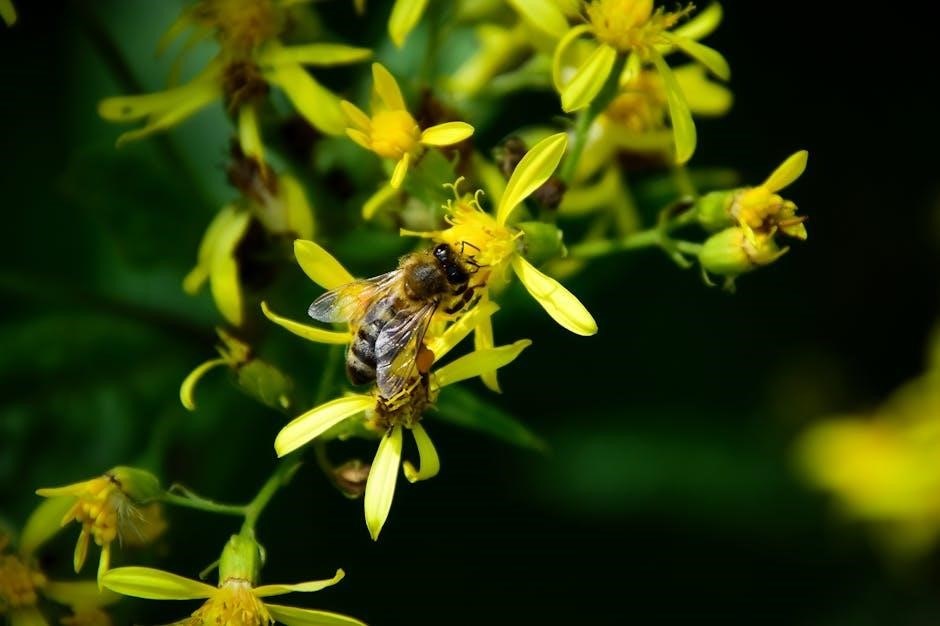
Like a frustrating Wi-Fi connection, initial stages are critical; the queen lays eggs, the colony’s foundation, requiring stable conditions for successful development.
Egg Characteristics and Appearance
Just as troubleshooting a Wi-Fi issue requires identifying the source, understanding the egg’s appearance is fundamental. Newly laid honey bee eggs are tiny, pearly-white, and approximately 1-1.8 mm in length – resembling a minuscule grain of rice. They are laid individually by the queen bee within the cells of the honeycomb.
Initially, the egg stands upright at the base of the cell, secured with a sticky substance. Over time, it gradually curves and leans against the cell wall. This change in position is a key indicator of the egg’s age and viability. A healthy egg will remain a consistent, opaque white. Any discoloration, cloudiness, or signs of damage suggest the egg is not viable and won’t develop into a larva.
Similar to checking for a loose cable, careful observation of the egg’s physical state is crucial for beekeepers assessing colony health. The egg’s appearance provides a quick visual cue regarding the queen’s laying performance and the overall condition of the developing brood.
Duration of the Egg Stage
Analogous to diagnosing a slow internet connection, pinpointing the duration of each life stage is vital. The egg stage in the honey bee life cycle is remarkably consistent, typically lasting precisely three days. This timeframe is crucial for proper larval development and is heavily influenced by temperature and the queen’s health.
Like ensuring a stable Wi-Fi signal, maintaining optimal hive conditions is essential. Deviations from the three-day duration can indicate issues – a longer period might suggest a problem with the queen’s laying or unfavorable environmental conditions, while a shorter period could indicate a compromised egg quality.
Beekeepers, much like IT professionals troubleshooting networks, closely monitor this stage. Consistent timing confirms the queen is functioning correctly and the colony is developing as expected. Any significant variation warrants further investigation to identify and address potential problems before they impact the hive’s overall productivity.
Queen Bee’s Role in Egg Laying
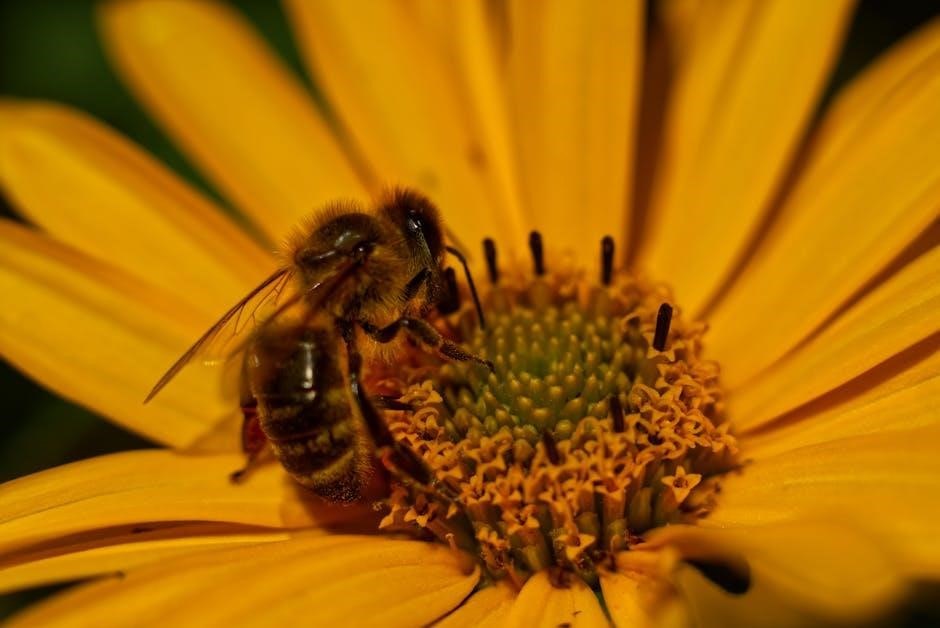
Similar to a central router managing network traffic, the queen bee is the sole egg-layer and, therefore, the mother of nearly all bees within the colony. Her primary function is reproduction, and her egg-laying capacity directly dictates the colony’s population and strength. A healthy queen can lay up to 2,000 eggs per day during peak season!
Just as troubleshooting a Wi-Fi connection involves checking the source, understanding the queen’s role is fundamental. She mates once in her lifetime, storing sperm to fertilize eggs throughout her life. Fertilized eggs become female worker bees or future queens, while unfertilized eggs develop into male drone bees.
Maintaining a productive queen is paramount for beekeepers, akin to ensuring a reliable internet service provider. Regular inspections assess her laying pattern, ensuring a consistent and healthy brood nest. A failing queen necessitates intervention, often through requeening, to prevent colony decline.
The Larval Stage
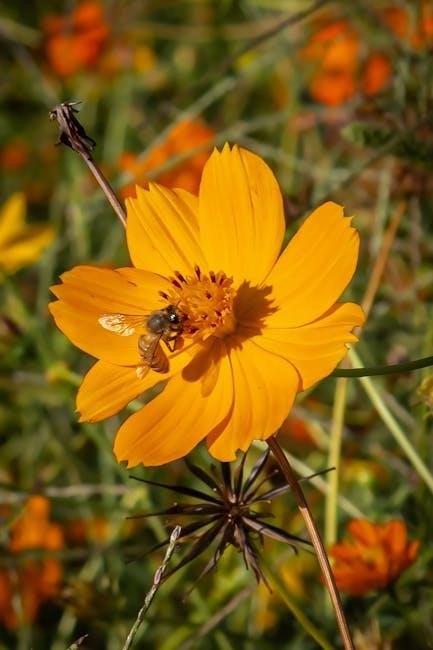
Like resolving a device-specific Wi-Fi issue, larval development involves intensive feeding; larvae consume royal jelly or bee bread, growing rapidly and molting several times.
Larval Development and Feeding
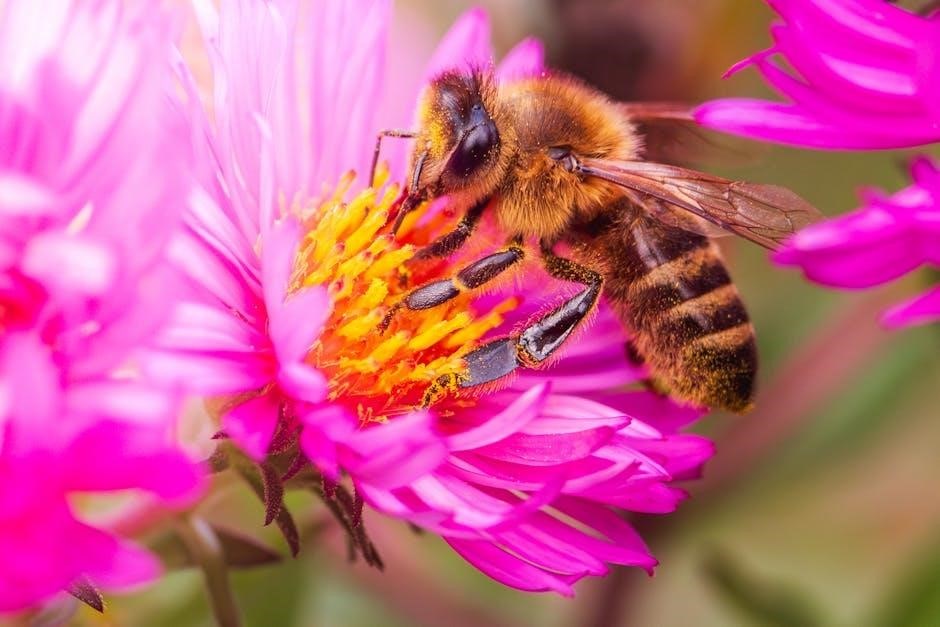
Similar to troubleshooting a slow internet connection, understanding larval development requires examining the feeding process. Newly hatched larvae are initially fed exclusively royal jelly, a protein-rich secretion from worker bee hypopharyngeal glands. This intensive feeding fuels rapid growth, and the larva increases dramatically in size.
As the larva matures – much like diagnosing a Wi-Fi outage – the diet transitions to “bee bread,” a mixture of pollen and honey. This provides carbohydrates and fats essential for continued development. Larval growth isn’t continuous; instead, it occurs in stages separated by molts, where the larva sheds its exoskeleton to accommodate its increasing size.
These molts, akin to restarting a router, are crucial for proper development. The number of molts and the quality of food directly influence the eventual caste of the bee – whether it becomes a worker, drone, or queen. Consistent, high-quality nutrition is paramount for a healthy and productive colony, mirroring the need for a stable internet connection.
Royal Jelly vs. Bee Bread
Just as troubleshooting Wi-Fi involves identifying the source of the problem, understanding bee nutrition requires differentiating between royal jelly and bee bread. Royal jelly, secreted by worker bees, is a nutrient-dense substance exclusively fed to queen larvae – and for the first few days to all larvae. It’s crucial for the development of queen characteristics, enabling her larger size and reproductive capabilities.
Bee bread, conversely, is a fermented mixture of pollen and honey, packed with proteins, fats, and vitamins. It serves as the primary food source for worker and drone larvae after their initial royal jelly phase. Think of it as a sustained energy source, similar to a stable internet connection providing consistent access;
The difference in diet dictates the bee’s fate; royal jelly initiates queen development, while bee bread supports the growth of the colony’s workforce. This dietary distinction, like resolving a connectivity issue, is fundamental to the honey bee life cycle and colony success.
Molting Process in Larvae
Similar to how restarting equipment can resolve Wi-Fi issues, larval molting is a critical process for growth within the honey bee life cycle. As larvae develop, their exoskeletons – rigid outer coverings – become restrictive. To accommodate increasing size, they undergo several molts, shedding their old exoskeletons and forming new, larger ones.
This molting process, akin to updating software for improved performance, occurs multiple times during the larval stage. Each molt represents a new instar, a developmental stage between molts. The larva actively prepares for each molt, reabsorbing materials from the old exoskeleton to build the new one.
Successfully completing these molts is essential for healthy larval development, much like a stable internet connection is essential for seamless online activity. Any disruption during molting can lead to deformities or even death, highlighting its importance in the bee’s transformation.
The Pupal Stage
Just as troubleshooting finicky internet requires patience, the pupal stage involves significant metamorphosis; it’s a period of dramatic transformation within the sealed cell.
Pupation and Metamorphosis
During pupation, the larva spins a silk cocoon within its wax cell, initiating a remarkable transformation. This stage, akin to resolving persistent Wi-Fi issues, demands a systematic process. The larval form breaks down, and adult structures – wings, legs, antennae, and complex internal organs – begin to develop.
Similar to how troubleshooting identifies the root cause of connectivity problems, metamorphosis involves precise genetic programming. Initially, the pupa appears pale and formless, gradually acquiring its characteristic bee shape and coloration. This process isn’t merely growth; it’s a complete reorganization of tissues.
Like ensuring a secure coaxial cable, the sealed cell provides a protected environment for this vulnerable stage. The duration varies based on caste – queen, worker, or drone – but represents a critical period of development. Ultimately, a fully formed adult bee emerges, ready to fulfill its role within the colony.
Development of Adult Features
Within the pupal stage, the seemingly simple act of restarting equipment mirrors the complex development of adult bee features. Wings, initially as mere imaginal discs, unfold and strengthen, crucial for foraging and flight – akin to restoring a lost internet connection. Legs and antennae, essential for navigation and communication, take shape, enabling the bee to interact with its environment.
Internal organs, including the digestive system and flight muscles, undergo significant refinement, preparing the bee for its specialized tasks. This parallels diagnosing the source of slow internet, requiring a detailed examination of components. The compound eyes develop, providing the bee with a wide field of vision, vital for locating resources.
Just as troubleshooting can reveal malware interference, the pupal stage is a period of intense biological activity, culminating in a fully functional adult bee, ready to contribute to the hive’s success.
Duration of the Pupal Stage
Similar to the frustrating delays encountered when troubleshooting Wi-Fi issues, the pupal stage isn’t instantaneous. Its duration varies depending on the bee’s caste – a worker bee typically spends around 12 days in this phase, while a drone requires approximately 14-15 days. The queen bee’s pupation is comparatively swift, lasting only 7-8 days, reflecting her critical role.
This timeframe mirrors the iterative process of diagnosing internet problems; sometimes a quick restart suffices, while other times, deeper investigation is needed. Throughout pupation, the bee remains immobile within its wax cell, undergoing complete metamorphosis.
Like waiting for an update to install, patience is key. External factors, such as temperature and humidity, can subtly influence the pupal duration, highlighting the delicate balance required for successful development.
The Adult Bee: Roles and Lifespan
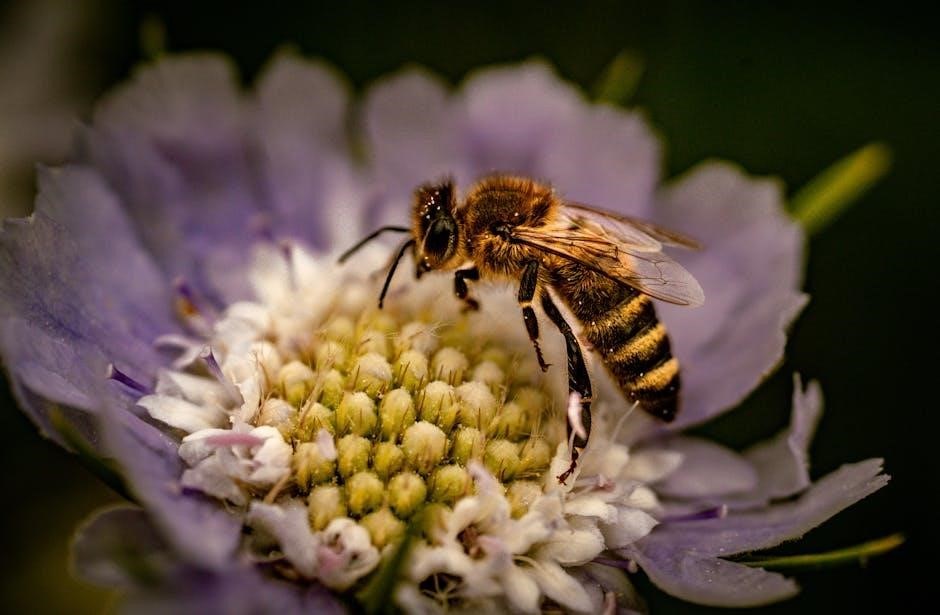
Just as resolving Wi-Fi issues restores functionality, adult bees fulfill specific roles. Their lifespan—from weeks for workers to years for the queen—defines colony success.
Queen Bee: Life and Responsibilities
Similar to ensuring a stable internet connection, the queen bee is central to the colony’s survival. Her primary responsibility is laying eggs – potentially over 2,000 per day – ensuring the continuation of the hive. This prolific egg-laying is fueled by a specialized diet of royal jelly throughout her life.
Unlike worker bees, who have limited reproductive capabilities, the queen is fully fertile. She mates only once, early in life, storing sperm to fertilize eggs for years. This stored genetic material dictates the sex of the offspring; fertilized eggs become females (workers or future queens), while unfertilized eggs become males (drones).
A queen’s lifespan can extend for several years, though her productivity declines with age. She also releases pheromones that regulate colony behavior, suppressing worker bee ovary development and maintaining social order. When a queen weakens or dies, the colony initiates the process of raising a new one, highlighting her irreplaceable role.
Worker Bee: Tasks and Longevity
Much like troubleshooting steps for Wi-Fi, worker bees perform a diverse range of tasks throughout their lives, adapting to the colony’s needs. Their lifespan is relatively short, typically ranging from a few weeks to several months, depending on the intensity of their work.
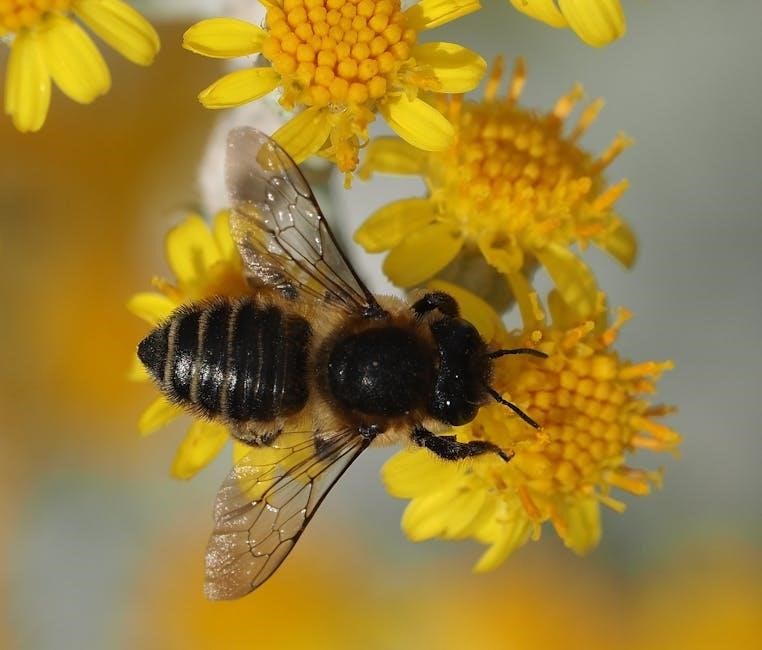
Initially, young worker bees begin as nurse bees, tending to larvae and feeding them royal jelly or bee bread. As they mature, they transition to roles like building and repairing honeycomb, guarding the hive entrance, and undertaking cleaning duties.
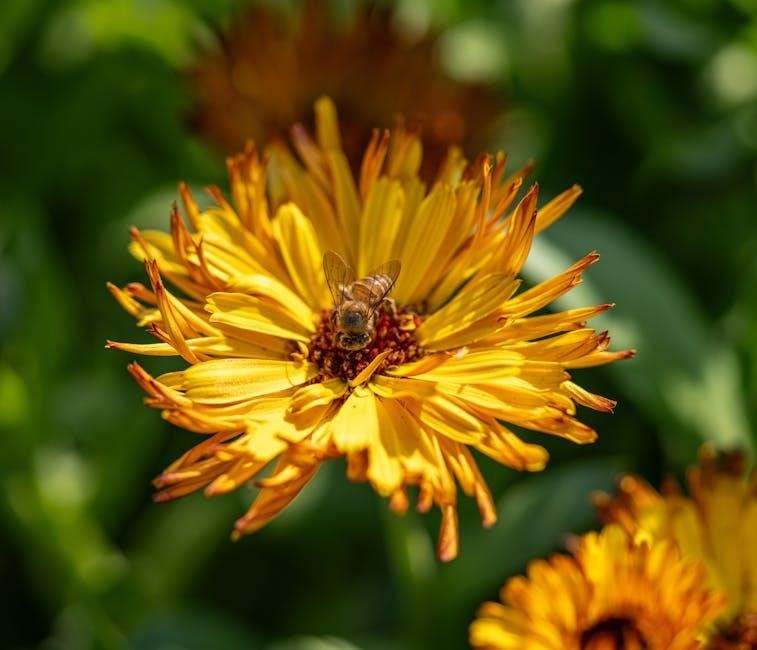
Later in life, worker bees become foragers, venturing outside the hive to collect nectar, pollen, water, and propolis. This demanding task significantly shortens their lifespan. Similar to a device constantly searching for a signal, foragers tirelessly work until exhaustion. Their collective efforts are vital for the colony’s survival, mirroring the importance of a stable internet connection for modern life.
Drone Bee: Purpose and Lifespan
Analogous to troubleshooting a finicky internet connection, the drone bee’s sole purpose is reproduction – specifically, to mate with a virgin queen. Unlike worker bees, drones do not forage for food or contribute to hive maintenance; they rely entirely on the worker bees for sustenance.
Their lifespan is directly tied to their reproductive success. If a drone successfully mates, it dies immediately afterward, as its reproductive organs are detached during the process. If a drone does not mate, it will typically live for several weeks or months, until it is either driven out of the hive by worker bees or perishes during colder months when resources are scarce.
Similar to a device being disconnected, drones are often expelled from the hive in the fall to conserve resources, highlighting the colony’s pragmatic approach to survival. Their existence, though brief, is crucial for genetic diversity within the bee population.
Factors Affecting the Life Cycle
Just as Wi-Fi performance hinges on stable conditions, a bee’s development is sensitive to temperature, humidity, nutrition, and potential threats like diseases or parasites.
Temperature and Humidity
Similar to troubleshooting a finicky internet connection, maintaining optimal environmental conditions is crucial for honey bee development. Temperature profoundly impacts the entire life cycle, from egg viability to larval growth and adult bee activity. Bees meticulously regulate the hive temperature, generally around 93-95°F (34-35°C) for brood rearing.
Deviations from this range can significantly slow development or even prove fatal. Cooler temperatures extend developmental times, while excessive heat can damage developing larvae. Humidity also plays a vital role; appropriate moisture levels are essential for larval feeding and preventing desiccation.
Just as a stable Wi-Fi signal requires consistent conditions, bees need a consistent climate. Fluctuations, whether due to external weather changes or internal hive disturbances, can disrupt the delicate balance required for successful brood rearing and colony health. Maintaining proper ventilation is key to humidity control, mirroring the need for good airflow around electronic devices to prevent overheating.
Nutrition and Food Availability
Analogous to ensuring a stable internet connection requires sufficient bandwidth, honey bee development hinges on consistent and adequate nutrition. Larvae require a rich diet to fuel their rapid growth, initially relying heavily on royal jelly – a protein-rich secretion from worker bees. This is then transitioned to bee bread, a fermented mixture of pollen and honey.
A lack of pollen, the primary protein source, severely stunts larval development and can lead to deformed or weakened bees, much like a slow internet connection hinders data transfer. Honey provides essential carbohydrates for energy. Seasonal fluctuations in nectar and pollen availability directly impact colony strength and the success of brood rearing.
Similar to troubleshooting a device that won’t connect due to a software issue, nutritional deficiencies manifest as physical problems in bees. Ensuring ample food stores, particularly during dearth periods, is paramount for maintaining a healthy and productive colony, mirroring the importance of a reliable power supply for network equipment.
Disease and Parasite Impact
Just as malware can disrupt a Wi-Fi network, diseases and parasites significantly threaten honey bee populations and disrupt their life cycle. Varroa mites, for instance, are a major concern, weakening bees and transmitting viruses – akin to a persistent connectivity issue. These mites feed on bee hemolymph, compromising their immune systems and overall health.
Other pathogens, like Nosema, a fungal disease, impact nutrient absorption, hindering larval development and adult bee longevity. Viral infections, often spread by Varroa mites, can cause wing deformities and behavioral abnormalities, mirroring the erratic performance of a failing device.
Effective hive management, including regular monitoring for pests and diseases, and implementing appropriate treatments, is crucial for maintaining colony health. Similar to running antivirus software, preventative measures and timely intervention are essential to protect bees from these debilitating threats and ensure the continuation of their life cycle.