The cleric weaves divine magic, healing allies while smiting foes with radiant strikes․ Their balanced toolkit blends support and offense, making them versatile in parties and solo runs․ Mastering timing and positioning unlocks their full potential․ Their presence steadies the battlefield, turning tides with a prayer!
Role and Core Mechanics
The cleric’s core mechanics revolve around dual focus: sustaining allies and disrupting enemies․ At level one, the class gains access to a basic heal that restores a modest amount of HP to a single target․ As the character progresses, the heal expands into a group heal that can be cast on multiple party members simultaneously, providing a steady flow of life support during combat․ The cleric also wields a unique damage spell that deals radiant damage and applies a bleed effect, forcing enemies to manage their health while the cleric keeps the party alive․ Key to mastering the cleric is understanding the timing of its cooldowns․ The primary heal has a short cooldown, allowing for rapid, repeated usage in tight fights․ The group heal, however, has a longer cooldown but offers a significant burst of healing that can turn the tide in large-scale encounters․ Positioning is also critical․ Clerics must stay within range of the party to maintain their healing effects, yet they should avoid the front lines where they are most vulnerable to melee attacks․ Utilizing the cleric’s movement speed and the ability to cast from a distance, players can keep a safe distance while still providing essential support․ Additionally, the cleric’s passive abilities grant bonuses to healing output and damage mitigation․ These passives scale with level, making the cleric increasingly potent as they level up․ Understanding how these bonuses interact with other party members’ abilities can unlock powerful synergies in coordinated team play․
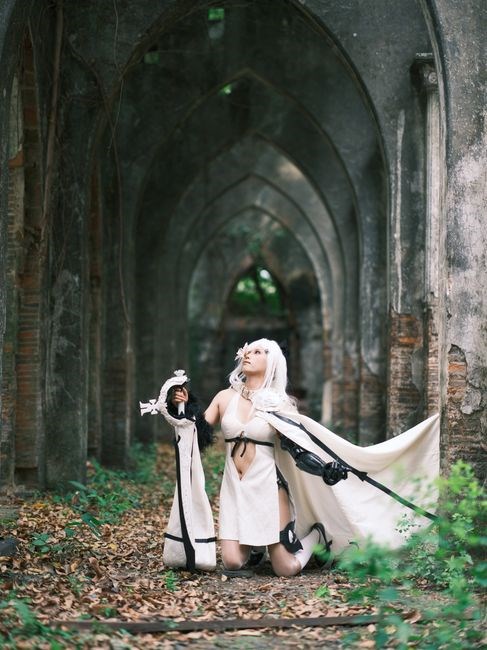
Choosing the Right Skill Set
Choosing the right skill set hinges on balancing healing, damage, and utility․ Prioritize core heals and group buffs, then add a damage spell for crowd control․ Keep cooldowns low for sustain, and pick support skills that synergize with party buffs․ for survival
Primary Skills Overview
Clerics in MapleStory are the quintessential support class, blending potent healing, resilient buffs, and a touch of radiant damage․ Their skill tree is divided into three main categories: Restoration, Protection, and Offensive․ The most iconic heal, Healing Light, restores a significant portion of a target’s HP and can be cast on multiple allies when the Chain Heal upgrade is unlocked․ For group survivability, Divine Shield grants temporary invulnerability to a single target, while Sanctuary creates a protective zone that absorbs damage for all nearby party members․
Synergy between the cleric’s abilities is key․ Pairing Healing Light with Sanctuary ensures continuous HP regeneration while the zone mitigates damage․ During boss encounters, Smite can be timed to interrupt high‑damage casts, and Plague of Suffering spreads damage, allowing Holy Barrier to absorb the resulting burst․ Mastering the timing of these skills turns the cleric into a strategic asset․
When soloing, focus on maintaining Healing Light uptime while using Smite to clear mobs quickly․ Keep Divine Shield ready for spikes, and Plague of Suffering to keep enemies at bay․ In PvP, the cleric excels at crowd control; use Holy Barrier to protect teammates and Smite to disrupt enemy healers․
Optimal Equipment and Gear Build
Clerics thrive on gear that boosts HP, MP, and healing potency․ Prioritize the Divine set for HP/MP bonuses, then the Holy set for healing amplification․ Equip the Seraphic weapon for spell damage and Shield for damage reduction․
Weapon and Armor Choices
Choosing the right gear for a cleric is pivotal for maximizing both survivability and healing output․ The core of a cleric build revolves around items that enhance HP, MP, and healing potency, while also providing defensive bonuses to keep the party alive during intense battles․ Below is a detailed guide on the optimal weapon and armor selections for various playstyles, from solo PvE to group content․
- Armor Sets: The Divine set raises HP and MP (15% HP, 10% MP)․ The Holy set focuses on healing amplification, granting a 20% boost to all healing spells and a 5% increase to spell damage․ For high‑level dungeons, the Seraphic set offers 25% damage reduction and 10% resistance increase․
- Accessories: The Amulet of the Archangel adds 5% healing and 3% MP regen per second․ The Ring of Sanctity gives a 10% damage‑block chance, useful against bosses․ For MP, the Crystal of the Divine increases MP by 12% and cuts cooldowns by 5%․
- Headgear: The Helm of the Protector offers 10% defense and 4% spell damage․ The Cap of the Healer boosts healing by 15% and MP by 2%․
- Footwear: The Shoes of the Radiant grant 10% movement speed and 3% spell damage․ The Boots of the Guardian give 12% defense and a 5% block chance․
Prioritize HP, MP, and healing when choosing gear․ Adjust the mix based on content: heavier defense for boss fights, more offense for PvP, and balanced gear for solo runs․ A well‑balanced build ensures the cleric remains a pillar of support while still dealing respectable damage․
Keep gear updated․and up
Skill Mastery and Timing
Mastering cleric skills hinges on precise timing․ Use Heal during enemy bursts, Shield before heavy attacks, and Holy Light when allies are low․ Cooldowns sync with buffs formax efficiency! Practice timing to avoid waste!
Cooldown Management
Effective cooldown management is the linchpin of a cleric’s survivability and damage output․ The first priority is to understand the recharge times of each spell and how they sync with the party’s rhythm․ Heal and Holy Light must be cast whenever the party’s health dips below a critical threshold, ideally before enemies land a decisive blow․ Timing these heals to coincide with enemy attack windows reduces wasted mana and keeps the group above the 30% health line․ Shield and Divine Protection are short‑capped buffs that can block a large portion of damage; they should be deployed right before the boss’s first heavy strike and again during the second․ Holy Shock and Divine Judgment are damage‑dealing spells that thin out enemy groups; use Holy Shock on the front‑line when the party is under pressure and reserve Divine Judgment for high‑value targets․ In PvP, cooldowns become even more critical: cast Heal just before the enemy’s ultimate, and use Shield when the enemy’s damage spikes․ Keep a mana buffer for emergency heals; the Divine Shield can be a lifesaver during intense exchanges․ A disciplined cooldown rotation turns the tide of any encounter, turning a mechanical routine into a strategic advantage․ Mastering cooldowns boosts survivability and lets the cleric dictate, turning battle into a showcase of strategic skillNow․․
Combo Sequences
Mastering the cleric’s combo sequences is essential for maximizing burst damage and sustaining the party․ Begin with Holy Light to ignite the enemy, followed immediately by Divine Judgment to exploit the damage window․ The next step is to unleash Holy Shock, which chains to nearby foes, ensuring that the damage spreads efficiently․ After the chain, cast Divine Shield to protect the party from the counter‑attack, then finish the combo with Heal to restore health before the next engagement․ Timing is critical; each spell’s cooldown must be considered to avoid overlapping․ In high‑level content, add Divine Protection as a pre‑emptive buff before the initial Holy Light, then use Shield to block the boss’s burst․ This sequence not only deals maximum damage but also keeps the party alive․ Practice the rhythm in solo runs to build muscle memory, and adjust the order in PvP to counter enemy strategies․ A well‑timed combo turns a simple healer into a formidable damage dealer, turning the tide of battle with precision and power․ When executing the combo, keep an eye on the enemy’s cooldowns; interrupting a powerful spell can reset the sequence and grant a critical window․ Additionally, coordinate with the tank to ensure the target remains focused, allowing the cleric to maintain the combo flow without interruption․ In team fights, use the Divine Shield not only on the t!!!??
Party Support Strategies
In Maplestory, the cleric’s support role is essential for any party․ A timely heal, shield, and buff can turn a close call into a triumph․ Positioning matters: stay in the backline, within range of all members, and ready to cast․ Core support spells include Heal, Shield, Holy Light, and Divine Protection, each with a distinct function that keeps the party alive․

During combat, begin with Divine Protection on the tank to reduce damage․ Follow with Shield on DPS to mitigate burst․ If the party’s health drops below 30%, heal the tank first, then DPS, and finally yourself․ In boss fights, ignite the boss with Holy Light, then apply Divine Judgment for extra damage․ After the burst, cast Heal to recover lost health․
Support also includes crowd control: use Divine Shield to block enemy attacks during heavy AoE․ Keep an eye on mana; overusing Heal can leave the party vulnerable․ A good rule: maintain at least 30% health for the tank and 20% for DPS before major heals․ Communicate with the tank and DPS to time buffs and heals, ensuring the party stays resilient and can push forward․
Remember to rotate buffs: apply Divine Protection before each burst, and heal after damage spikes․ This rhythm keeps the party healthy and maximizes damage output across all encounters․ Stay vigilant friends!!
Tip: Keep an eye on the party’s mana pool; use Heal sparingly to avoid draining resources․ Coordinate with the tank to time buffs, stay ready heal allies needed!
Solo PvE Focus

When tackling solo content, the cleric’s versatility becomes a single-player lifeline․ Start by selecting a balanced build that prioritizes both healing and damage․ Equip the best available holy armor and a light mace to maximize attack speed․ Keep your HP and MP bars above 70% before engaging bosses; use the Heal spell to top up and the Divine Shield to mitigate incoming damage․
Use the Holy Light to burst enemies, followed by Divine Judgment for extra damage․ After each attack, cast Heal on yourself if your health drops below 50%․ Rotate Shield on yourself to reduce damage during heavy hits․ For AoE encounters, position yourself at the center of the group to benefit from Divine Protection and Divine Shield buffs․
Timing is critical: cast Heal immediately after a large damage burst, then use Holy Light to finish the fight․ Keep a reserve of mana for emergency heals․ If you’re low on MP, switch to Shield to conserve mana while still protecting yourself․ Mastering this rhythm turns the cleric into a self-sustaining powerhouse capable of clearing dungeons, boss fights, and high‑level content without party support․
Keep mana topped with potions, use Divine Shield before heavy hits, and practice to become the raid’s backbone․ and stay ready to heal․ Keep your spirit․
PvP Adaptations
In PvP, the cleric balances healing and damage․ Gear should boost defense and spell power, with items that extend Divine Shield and Holy Light․ Equip a light mace or staff for quick casts․ Keep HP and MP above 70% before fights; use Heal to top up and Divine Shield to mitigate damage․ Divine Shield bursts, Holy Light finishes․ Heal avoid damage!!!
During combat, activate Divine Shield before enemy bursts․ Use Holy Light on a single target to cut damage, then Divine Shield to block retaliation․ If the enemy casts Divine Judgment, immediately counter with Divine Shield and keep Heal ready!!!
Use Divine Shield to block crowd‑control, then Holy Light finish․ Heal ready sustain the team!
Advanced Cleric Tactics
Clerics blend buffs, healing, burst․ Use Divine Shield to block spikes, then Holy Light to finish․ Rotate Heal for sustain Divine Shield for protection Holy Light for control․ Keep mana high position smart adapt on the fly․!
Buff Rotation for Team Success
In Maplestory, the cleric’s buff rotation is the backbone of any successful raid․ Begin each encounter by casting Divine Shield to grant the party temporary invulnerability, then immediately cast Holy Light to boost attack power and cleanse debuffs․ While enemies regroup, use Divine Blessing to increase healing received by all allies․ Keep Divine Shield active during heavy damage phases, and trigger Holy Light whenever a boss’s special attack is incoming․ For sustained damage, cycle Divine Blessing with Holy Light to maintain a high damage multiplier․ Remember to time Divine Shield to overlap with Holy Light for maximum effect․ This rotation ensures the team stays alive and deals consistent damage throughout the encounter․ Additionally, coordinate with the mage’s Arcane Burst to stack buffs, and with the warrior’s Power Surge to amplify the Holy Light damage․ Use Divine Shield as a countermeasure before the boss’s ultimate, then follow with Holy Light to exploit the damage window․ Keep track of cooldowns: Divine Shield (120s), Holy Light (90s), Divine Blessing (60s)․ Prioritize Divine Shield when the party’s HP drops below 30%, then immediately apply Holy Light to reset the damage cycle․ Syncing buffs with DPS maximizes overall output and party synergy for peak!!