No Grid Survival Projects PDF: A Comprehensive Plan
No Grid Survival Projects offers 70 practical projects for self-sufficiency, covering water, food, energy, security, and essential skills for crises like economic collapse or disasters․
Understanding the “No Grid Survival Projects” Concept
The “No Grid Survival Projects” concept centers around proactive preparation for disruptions to essential services – electricity, water, food supply, and economic stability․ It’s about diminishing reliance on centralized systems and cultivating self-sufficiency; This isn’t merely about surviving; it’s about thriving independently amidst potential crises like economic downturns, natural disasters, or even societal unrest․
The core idea involves mastering practical skills and implementing projects that address fundamental needs․ This includes securing water sources, producing food, generating power, and ensuring home defense․ The guide aims to empower individuals and families to navigate unforeseen events with resilience and confidence, fostering a lifestyle less vulnerable to external shocks․ It’s a comprehensive approach to preparedness․
The Appeal of Off-Grid Living & Self-Sufficiency
The increasing appeal of off-grid living stems from a growing unease about the fragility of modern infrastructure and economic systems․ Concerns about long-term blackouts, hyperinflation, and potential societal disruptions fuel the desire for self-reliance․ Many seek freedom from dependence on centralized authorities and a return to more sustainable, resilient lifestyles․
Self-sufficiency offers a sense of security and control, empowering individuals to provide for their families regardless of external circumstances․ It’s a proactive response to uncertainty, fostering resourcefulness and a deeper connection to basic needs․ This movement isn’t about isolation, but about building a more secure and independent future․
Core Areas Covered in “No Grid Survival Projects”
“No Grid Survival Projects” comprehensively addresses crucial aspects of preparedness, aiming to equip individuals for a wide range of challenging scenarios․ Key areas include securing potable water through rainwater harvesting and other methods, and establishing sustainable food production via seed saving – specifically mentioning emmer wheat and amaranth – alongside grain processing techniques like threshing and winnowing․
Furthermore, the guide delves into energy independence with DIY solar panel construction, home defense strategies, essential skills like natural remedies, and crucial considerations regarding firearms and ammunition․ It also prepares readers for economic instability and potential disasters, offering insights into navigating crises like martial law․
Water Security Projects
Ensuring a reliable water source is paramount in off-grid survival, and “No Grid Survival Projects” prioritizes this need․ The guide focuses heavily on establishing water security through practical projects designed for diverse environments․ A core component is the implementation of rainwater harvesting systems, allowing individuals to collect and store precipitation for later use․
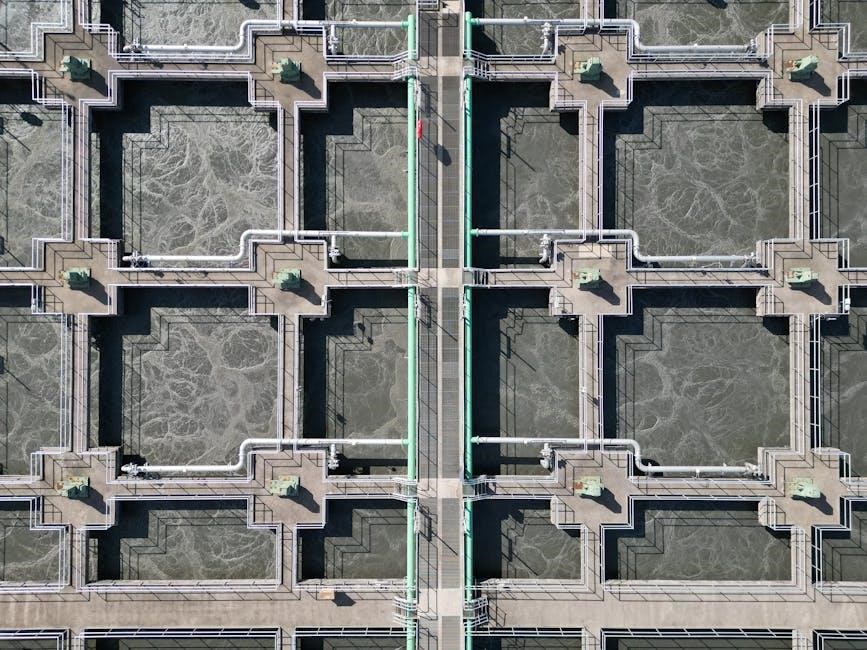
Beyond simple collection, the resource likely details filtration and purification methods to guarantee potable water, safeguarding against waterborne illnesses․ This emphasis on self-reliance in water provision is critical for long-term sustainability and resilience during emergencies or disruptions to municipal water supplies․
Rainwater Harvesting Systems
“No Grid Survival Projects” emphasizes rainwater harvesting as a foundational element of water security․ These systems range from simple barrel collection methods to more complex setups involving gutters, downspouts, and storage tanks․ The guide likely details construction techniques for DIY systems, focusing on affordability and accessibility for individuals with varying skill levels․

Crucially, the resource probably covers essential considerations like roof material compatibility, filtration requirements to remove debris and contaminants, and appropriate storage solutions to prevent algae growth and maintain water quality․ Effective rainwater harvesting provides a sustainable, independent water source, reducing reliance on external supplies during crises․

Food Production & Preservation
“No Grid Survival Projects” prioritizes self-sufficiency through robust food production and preservation techniques․ The guide likely advocates for establishing gardens utilizing heirloom and open-pollinated seed varieties – specifically mentioning emmer wheat and amaranth – to ensure seed saving capabilities for future harvests․ This reduces dependence on external seed suppliers․
Beyond cultivation, the resource likely details fundamental preservation methods like drying, canning, fermenting, and root cellaring․ Critically, it addresses basic grain processing, including threshing and winnowing, to transform harvested grains into usable food sources, a skill often overlooked in modern survival guides․
Seed Saving & Heirloom Varieties (Emmer Wheat, Amaranth)
“No Grid Survival Projects” emphasizes the crucial role of seed saving for long-term food security, advocating for heirloom and open-pollinated varieties over hybrids․ This ensures the ability to replant and maintain food production independently․ The guide specifically highlights emmer wheat and amaranth as recommended seed choices, likely due to their resilience and nutritional value․
Saving seeds from these crops requires understanding proper harvesting, drying, and storage techniques to maintain viability․ The resource likely details these processes, enabling users to build a self-sustaining seed bank, lessening reliance on external sources during crises and promoting genetic diversity․
Basic Grain Processing (Threshing & Winnowing)
A critical, often overlooked aspect of self-sufficiency detailed within “No Grid Survival Projects” is the processing of harvested grains․ Simply growing emmer wheat or amaranth isn’t enough; the guide acknowledges the necessity of transforming the raw harvest into usable food․ This involves traditional methods like threshing – separating the grain from the stalk – and winnowing, which removes chaff․
The absence of detailed instructions on these processes in some versions highlights a potential flaw․ Mastering these skills is vital for a truly off-grid existence, enabling independent food preparation without reliance on modern milling infrastructure․
Energy Independence
“No Grid Survival Projects” emphasizes reducing reliance on centralized power grids, a cornerstone of self-sufficiency․ A key component of this is generating your own electricity․ The guide reportedly includes projects focused on achieving energy independence, specifically mentioning the construction of DIY solar panels․ This empowers individuals to create a sustainable power source, vital during long-term blackouts or grid failures;
The inclusion of practical, build-it-yourself instructions for solar panel construction distinguishes this resource, offering a tangible path toward energy autonomy and lessening vulnerability to external disruptions․
DIY Solar Panel Construction
A significant aspect of energy independence detailed within “No Grid Survival Projects” is the ability to construct your own solar panels․ This isn’t merely theoretical; the guide aims to provide practical, step-by-step instructions enabling individuals to build a functional power source․ This skill is crucial for off-grid living and disaster preparedness, offering a sustainable alternative to relying on potentially unstable public utilities․
The emphasis on DIY construction lowers the barrier to entry, making renewable energy accessible even with limited resources․ Mastering this project provides a vital skill for long-term self-reliance․
Home Defense & Security
“No Grid Survival Projects” dedicates substantial attention to safeguarding your home and family during times of unrest․ Recognizing that societal structures can falter, the guide explores methods for deterring intruders and establishing a secure perimeter․ This isn’t solely about firearms; it encompasses a range of preventative measures and defensive strategies․
The focus extends to creating layers of security, from simple deterrents to more robust systems․ The guide acknowledges the potential for civil unrest, economic collapse, or natural disasters, all of which could compromise traditional security measures, necessitating proactive self-defense planning․
Intruder Deterrent Systems
“No Grid Survival Projects” emphasizes layered security, beginning with deterrents to discourage potential intruders before they reach your property․ These systems prioritize non-lethal methods, aiming to avoid escalation․ Ideas include strategically placed obstacles, noisemakers activated by movement, and enhanced perimeter lighting – crucial when grid power is unavailable․
The guide suggests utilizing natural barriers and creating clear lines of sight to eliminate hiding places․ Simple, low-tech solutions are favored, recognizing the unreliability of electronic systems during prolonged outages․ The goal is to make your home a less attractive target than neighboring properties, effectively deterring unwanted attention․
Essential Skills & Knowledge
“No Grid Survival Projects” highlights that physical preparations are insufficient without a robust skillset․ The guide stresses the importance of natural remedies and herbal medicine for healthcare when conventional options are inaccessible․ Knowledge of foraging for edible plants and creating basic first-aid solutions is paramount․
Beyond healthcare, the manual advocates for mastering practical skills like basic repair, construction, and navigation․ Understanding how to maintain tools, build shelters, and find your way without technology are presented as vital for long-term self-sufficiency․ This section emphasizes proactive learning and skill diversification․
Natural Remedies & Herbal Medicine
“No Grid Survival Projects” dedicates significant attention to natural remedies and herbal medicine, recognizing their crucial role when modern healthcare systems fail․ The guide advocates for building a comprehensive understanding of medicinal plants readily available in various environments․
It emphasizes learning to identify, harvest, and prepare these plants for treating common ailments․ Creating salves, tinctures, and teas becomes essential for addressing injuries and illnesses independently․ This section promotes self-reliance in healthcare, offering alternatives to pharmaceutical dependence during prolonged crises, ensuring basic medical needs are met․
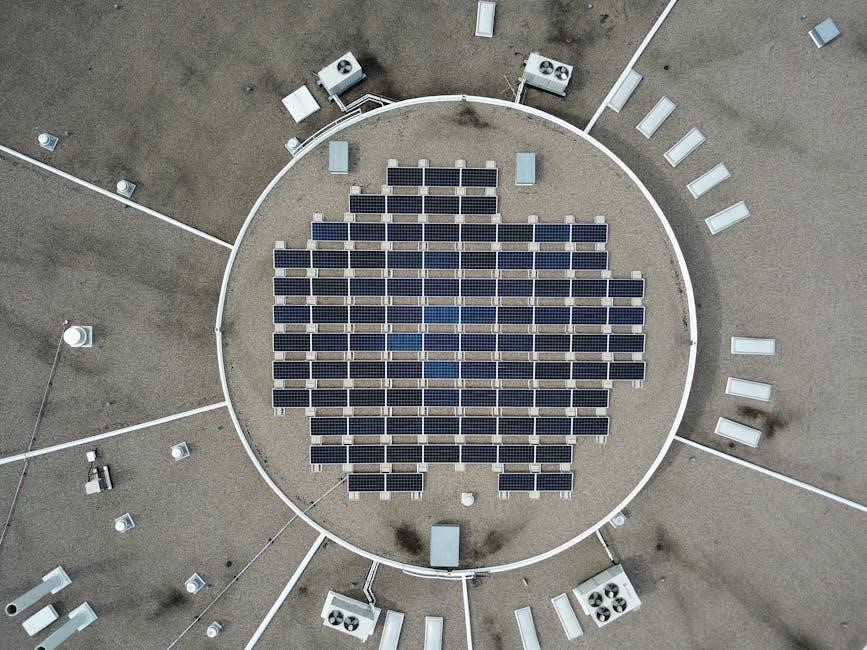
Firearms, Ammunition & Defense
“No Grid Survival Projects” acknowledges the unfortunate necessity of self-defense in a grid-down scenario, dedicating a portion to firearms, ammunition, and defense strategies․ It doesn’t necessarily advocate for firearm ownership, but recognizes its potential relevance for protection against threats during societal breakdown․
The guide likely covers responsible firearm handling, safe storage, and the importance of legal compliance․ It may also discuss alternative defensive measures, emphasizing layered security approaches․ Ammunition stockpiling and maintenance are addressed, alongside considerations for perimeter defense and establishing early warning systems to safeguard family and property․
Dealing with Economic Instability
“No Grid Survival Projects” directly addresses preparing for severe economic disruptions, including hyperinflation and broader economic crises․ Recognizing potential societal upheaval, the guide likely details strategies for protecting assets and establishing financial independence outside traditional systems․
This section probably covers bartering systems, alternative currencies (like precious metals), and reducing reliance on vulnerable financial institutions․ Practical advice on debt reduction, essential supply stockpiling, and developing income streams independent of employment are likely included․ The aim is to build resilience against economic shocks and maintain a basic standard of living during prolonged instability․
Preparing for Hyperinflation & Economic Crisis
Facing potential hyperinflation, “No Grid Survival Projects” likely emphasizes tangible asset accumulation; This includes stockpiling essential goods – food, water, fuel, medical supplies – acting as a hedge against rapidly devaluing currency․ The guide probably advocates for reducing debt exposure, as fixed-rate debts become easier to manage with inflated money․
Developing skills for self-sufficiency, like gardening and repair work, minimizes reliance on expensive goods and services․ Bartering networks and alternative currencies are likely presented as ways to bypass a collapsing monetary system․ The core strategy is building a self-reliant lifestyle, insulated from economic turmoil․
Navigating Potential Disasters
“No Grid Survival Projects” likely dedicates significant attention to disaster preparedness, specifically hurricanes and broader natural catastrophes․ This includes establishing robust communication plans – beyond reliance on failing infrastructure – and creating secure shelter options․ Stockpiling emergency supplies, tailored to regional risks, is paramount, alongside developing evacuation strategies․
The guide probably stresses community resilience, advocating for mutual aid networks and collaborative defense strategies․ Understanding local hazards and practicing disaster drills are crucial․ Self-reliance is key, but coordinated efforts amplify survival chances during widespread emergencies, minimizing vulnerability․
Hurricane & Natural Disaster Preparedness
Effective hurricane and natural disaster preparedness, as detailed in “No Grid Survival Projects,” begins with a comprehensive risk assessment of your location․ Securing your home against wind and flood damage is vital – reinforcing structures and elevating essential systems․ A well-stocked emergency kit, including food, water, first aid, and communication devices, is non-negotiable․
The guide likely emphasizes creating a family communication plan and establishing a designated safe room․ Understanding evacuation routes and having a “bug-out” bag prepared are also crucial․ Post-disaster, expect infrastructure failures and prioritize self-sufficiency until aid arrives․
Legal & Political Considerations (Martial Law)
“No Grid Survival Projects” acknowledges the potential for societal breakdown and the imposition of martial law during severe crises․ Understanding your rights, even under extraordinary circumstances, is paramount․ The guide likely advises researching local laws regarding self-defense, property rights, and emergency powers․
Preparation extends to discreetly documenting important personal information and having a plan for communication if conventional systems fail․ Maintaining a low profile and avoiding confrontation with authorities may be crucial․ The book likely stresses the importance of community cooperation while remaining aware of potential political instability․
The Rise of Plagiarism & AI-Generated Content on Platforms like Amazon
The proliferation of plagiarized and AI-generated content on platforms like Amazon poses a significant risk to consumers seeking reliable survival information․ Reports indicate a surge in low-quality, copied, or artificially created books, including within the survival niche․ Authors are changing pen names to protect themselves from AI replication․
This trend necessitates careful source verification when purchasing “No Grid Survival Projects” or similar guides․ Scrutinize author credentials, read reviews critically, and be wary of overly generic or poorly written content․ Authenticity is crucial; a compromised guide could offer dangerous or ineffective advice․
Authenticity & Source Verification of Survival Guides
Given the rise of plagiarism and AI-generated content, verifying the authenticity of survival guides like “No Grid Survival Projects” is paramount․ Prioritize purchasing from reputable sources and thoroughly investigate the author’s expertise․ Look for demonstrable experience in relevant fields – homesteading, engineering, medicine, or security․
Cross-reference information with multiple independent sources․ Be skeptical of guides lacking detailed explanations or practical illustrations․ User reviews can offer valuable insights, but consider potential biases․ A genuine guide will prioritize accuracy, safety, and practicality, offering actionable steps, not just vague concepts․
Evaluating the Practicality of Projects
“No Grid Survival Projects” presents numerous ideas, but critical evaluation is crucial․ Assess each project’s feasibility based on your skills, resources, and local environment․ A complex solar panel build might be unrealistic for a beginner, while seed saving is readily achievable․ Consider the time commitment and ongoing maintenance required․
Some projects, like avoiding cold water for hygiene, may not align with everyone’s priorities․ Prioritize projects offering the greatest return on investment – those providing essential needs with minimal effort․ Don’t blindly follow instructions; adapt them to your specific circumstances and available materials․