Modern automatics offer a manual mode, blending convenience with driver control. This allows tailored gear selection, mimicking a traditional gearbox for enhanced driving experiences.
What is a Manually Shifting Automatic Transmission?
A manually shifting automatic transmission combines the ease of an automatic with the control of a manual gearbox. Unlike traditional automatics that select gears independently, this system allows the driver to choose gears using the shift lever or paddle shifters. It doesn’t have a clutch pedal; the transmission handles gear changes electronically or hydraulically based on driver input. This provides a more engaging driving experience, offering control over engine RPM and power delivery without the complexity of a full manual system.
Why Use Manual Mode in an Automatic?
Employing manual mode grants drivers greater control over the vehicle’s performance. It’s beneficial for engine braking, particularly on descents, reducing reliance on the brake system. Drivers can also maintain optimal RPM for quicker acceleration or navigate challenging terrain more effectively. This mode enhances the driving experience, offering a more connected feel and allowing for precise gear selection tailored to specific driving conditions, surpassing the automatic’s default programming.
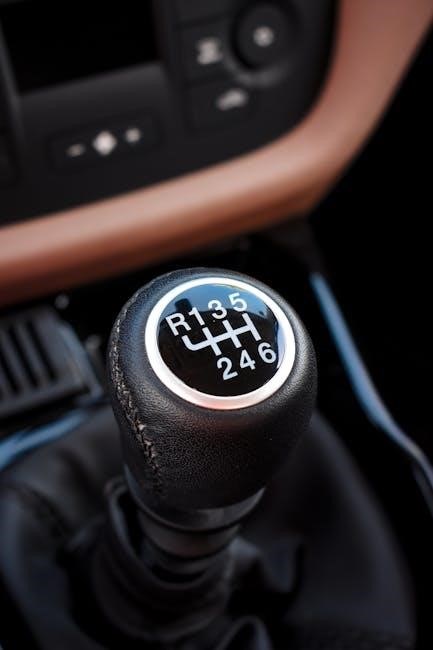
Understanding Automatic Transmission Gear Modes
Automatic transmissions feature modes like Park, Reverse, Neutral, Drive, and low gears (1, 2, L), each serving a specific purpose for vehicle operation and safety.
Park (P) ⎼ Safety and Immobilization
The ‘Park’ position is crucial for securing the vehicle, mechanically locking the transmission. Before starting the engine, selecting Park (or Neutral for manuals) prevents unintended movement. It’s a fundamental safety feature, ensuring the car remains stationary when parked, especially on inclines. Always fully engage Park before exiting the vehicle, and utilize the parking brake as an additional safety measure. Relying solely on ‘Park’ isn’t sufficient on slopes; the parking brake is essential to prevent rolling. This mode completely immobilizes the wheels.
Reverse (R) ⎼ Backing Up
The ‘Reverse’ gear facilitates movement backward, requiring complete stops before engagement. Always check your surroundings thoroughly before shifting into Reverse, utilizing mirrors and physically looking behind. Backing up demands heightened awareness due to limited visibility. Maintain slow speeds and be prepared to brake immediately. Never rely solely on mirrors; a direct visual check is paramount for safety. Remember, the vehicle’s turning radius is often wider in reverse, requiring careful maneuvering.
Neutral (N) ‒ Disconnecting the Engine
The ‘Neutral’ position disengages the transmission from the engine, allowing the wheels to rotate freely. It’s crucial for starting the engine and during towing situations. While in Neutral, the vehicle can roll, so use the parking brake on inclines. Briefly shifting to Neutral during extended stops can reduce strain on the transmission, though modern automatics often handle this automatically. Never shift into Neutral while moving at speed, as control will be lost.
Drive (D) ⎼ Standard Forward Driving
The ‘Drive’ mode is your typical setting for everyday forward motion. The automatic transmission manages gear changes based on speed and throttle input. While in ‘D’, the transmission selects the most appropriate gear for efficient and comfortable driving. However, utilizing manual mode overrides this automatic selection, granting the driver direct control over gear changes for specific driving needs, like hill climbs or engine braking.
Low Gears (1, 2, L) ⎼ Engine Braking and Power
Low gears (1, 2, or L) restrict the transmission to the lowest available gear(s). This provides maximum engine braking, useful for descending steep hills, and increased power for situations like towing or navigating challenging terrain. Selecting a lower gear increases engine RPM, delivering more torque. Remember, prolonged use at high RPMs can strain the transmission, so use these gears judiciously.
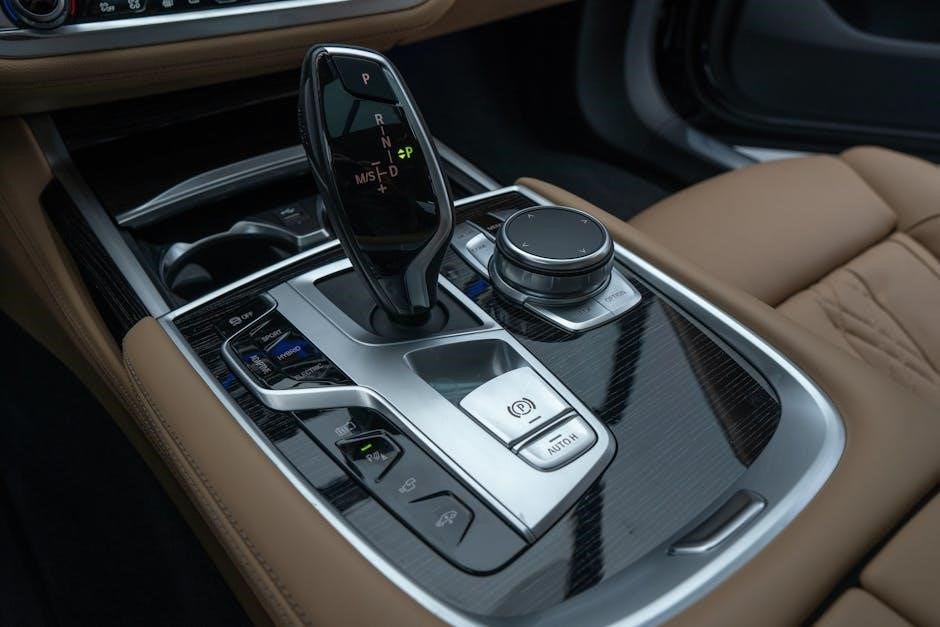
How to Manually Shift Gears
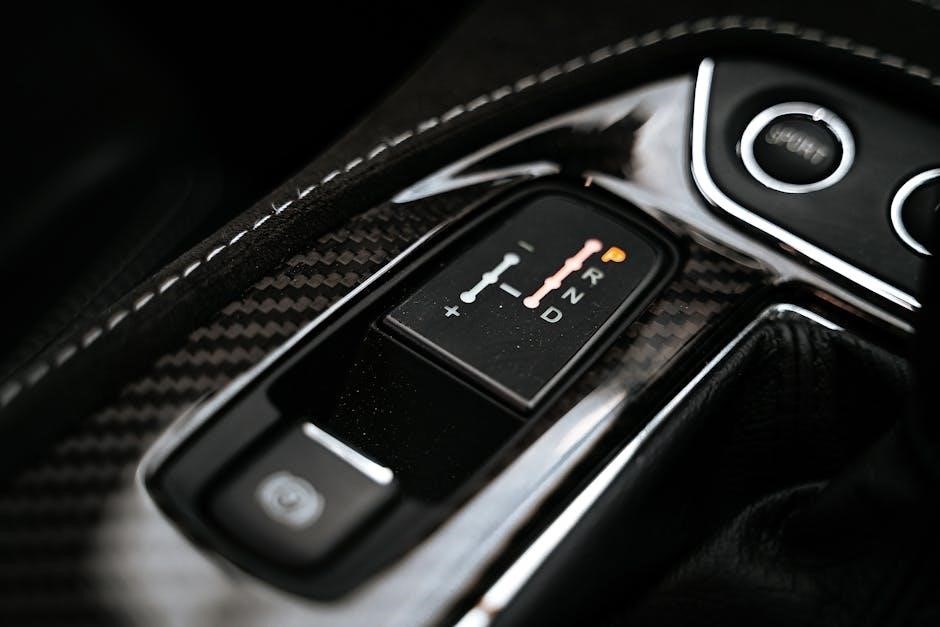
Typically, the shift lever allows sequential gear changes – push forward for upshifts, pull back for downshifts. Paddle shifters offer similar control directly from the steering wheel.
Locating the Shift Lever
The shift lever’s position varies by vehicle, but it’s commonly found on the center console or steering column. In many modern automatics with manual modes, the lever moves through a dedicated gate. This gate allows for precise, sequential gear selection. Some vehicles feature paddle shifters mounted behind the steering wheel, providing an alternative and often quicker method for manual gear changes. Familiarize yourself with your vehicle’s specific setup before attempting to shift manually, ensuring you understand the lever’s movement and the corresponding gear changes. Knowing its location is the first step to mastering manual control.
The Sequential Shifting Pattern
Most automatic transmissions in manual mode employ a sequential shifting pattern. This means gears are selected in a numerical order – typically, pushing forward lowers the gear, while pulling back increases it. Unlike a traditional manual, there’s no clutch pedal. The transmission handles the clutch engagement and disengagement automatically. Understanding this pattern is crucial for smooth and predictable gear changes. Practice makes perfect; start slowly to become comfortable with the lever’s movement and the resulting shifts;
Upshifting ⎼ Increasing Gear
Upshifting, or moving to a higher gear, is typically done by gently pushing the shift lever forward (or using a paddle shifter). This is usually performed as the engine’s RPMs rise during acceleration. The transmission will automatically handle the clutch engagement and gear change. Smooth upshifts maintain momentum and improve fuel efficiency. Avoid abrupt movements; a controlled push ensures a seamless transition to the next higher gear, optimizing performance.
Downshifting ‒ Decreasing Gear
Downshifting, selecting a lower gear, is achieved by pulling the shift lever backward (or utilizing a paddle shifter). This is beneficial for increased engine braking, providing more control during descents or preparing for overtaking. The transmission manages the gear change. Execute downshifts smoothly to avoid jolts; matching engine speed to the lower gear is key. This technique enhances responsiveness and provides greater control over vehicle speed and power delivery.
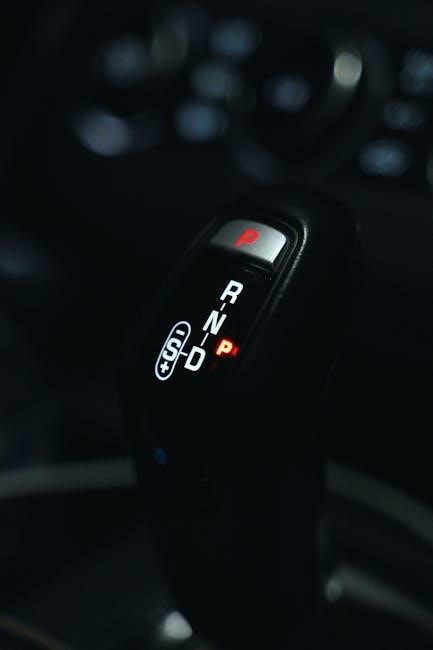
Benefits of Manual Control
Manual mode unlocks improved engine braking, enhanced control in slippery conditions, optimized acceleration, and potentially better fuel efficiency through deliberate gear selection.
Improved Engine Braking
Utilizing manual mode allows drivers to downshift, leveraging the engine’s resistance to slow the vehicle – a technique known as engine braking. This reduces reliance on the brake pads, extending their lifespan and maintaining braking performance, especially during prolonged descents.
Effectively managing speed downhill without constant brake application minimizes brake fade and provides a smoother, more controlled driving experience. This is particularly useful in mountainous terrain or when towing, offering increased safety and confidence.
Enhanced Control in Slippery Conditions
In low-traction scenarios like snow or ice, manual mode provides greater control over wheelspin. Selecting a higher gear limits wheel speed, reducing the likelihood of losing traction and improving stability. This allows for smoother acceleration and more predictable handling.
By preventing abrupt shifts, drivers can maintain a more consistent power delivery, minimizing skidding and maximizing control in challenging weather conditions. Careful gear selection is key to safe winter driving.
Optimized Performance ⎼ Acceleration
Manual mode allows drivers to hold a specific gear longer, keeping the engine within its optimal power band during acceleration. This results in quicker response times and more spirited performance compared to relying on the automatic transmission’s default shift points.
By proactively downshifting before overtaking or entering a highway, drivers can ensure maximum engine output is readily available, leading to more confident and efficient acceleration.
Fuel Efficiency ‒ Controlled Driving
Employing manual control enables drivers to select higher gears at lower speeds, reducing engine RPMs and consequently, fuel consumption. This is particularly effective on flat roads or gentle declines where maintaining momentum is key.
Avoiding unnecessary downshifts and anticipating traffic flow allows for smoother, more economical driving. Skilled use of manual mode promotes a more mindful and fuel-conscious driving style.
Situations Where Manual Shifting is Useful
Manual mode excels in hilly terrain, towing, and mountain roads, providing precise gear control for optimal power and engine braking when needed.
Driving in Hilly Terrain
When ascending steep hills, manually downshifting maintains engine RPMs within the power band, preventing the transmission from constantly hunting for the right gear. This ensures consistent power delivery and avoids losing momentum. Conversely, descending requires downshifting to utilize engine braking, reducing reliance on the brakes and preventing overheating. Precise gear selection provides greater control and a smoother, safer driving experience on inclines and declines, optimizing performance and minimizing strain on both the engine and braking system.
Towing and Hauling
Towing or hauling heavy loads demands consistent engine power. Manually selecting lower gears keeps the engine within its optimal torque range, preventing excessive shifting and maintaining control. Downshifting on descents provides crucial engine braking, significantly reducing brake wear and preventing runaway situations. This proactive control minimizes stress on the transmission, ensuring a safer and more efficient towing experience, especially when navigating challenging terrains or long distances with substantial weight.
Navigating Mountain Roads
Mountain driving requires precise gear control for both ascending and descending steep grades. Manually downshifting provides essential engine braking, reducing reliance on the brakes and preventing overheating. Selecting appropriate gears maintains momentum on inclines, avoiding strain on the engine. This proactive approach ensures consistent power delivery and maximizes control, enhancing safety and a smoother driving experience through winding mountain passes and challenging elevation changes.
Emergency Braking Situations
In sudden braking scenarios, manually downshifting can enhance stability and control. By reducing the transmission’s resistance, it helps prevent wheel lockup, particularly on slippery surfaces. This allows the driver to maintain steering capability during critical maneuvers. Selecting a lower gear before anticipated stops also prepares the vehicle for quicker deceleration, potentially shortening stopping distances and mitigating the severity of an impact.
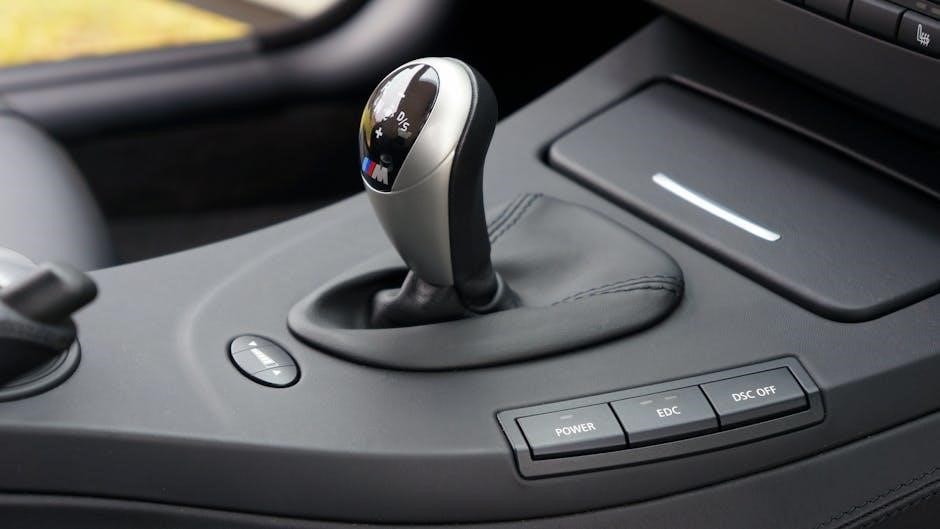
Potential Drawbacks and Considerations
Incorrect shifting can strain the transmission, and a learning curve exists for drivers unfamiliar with manual control. It requires practice and awareness.
Risk of Incorrect Shifting
Engaging manual mode doesn’t grant immunity from transmission errors. Downshifting at excessively high speeds, or upshifting too early, can cause jarring shifts or even damage. The transmission’s computer often intervenes to prevent severe issues, but repeated incorrect shifts can lead to increased wear and tear on internal components. Drivers must understand the vehicle’s power band and respond appropriately to road conditions to avoid stressing the system. Careful attention and practice are crucial for mitigating this risk.
Strain on the Transmission
Frequent or aggressive manual shifting can place additional stress on an automatic transmission. While designed with safeguards, consistently overriding the automatic’s programming introduces higher loads. This is particularly true with abrupt downshifts for engine braking. Prolonged misuse may accelerate wear on clutches, bands, and other vital parts, potentially leading to costly repairs down the line. Responsible use and understanding of limitations are key to preserving transmission health.
Learning Curve for Drivers
Transitioning to manual control requires adapting to a different driving style. Drivers accustomed to fully automatic operation need to learn appropriate shift points and timing. Mastering smooth gear changes and avoiding harsh transitions takes practice. Understanding how the transmission responds to manual input is crucial. Initial attempts may feel less intuitive, but with experience, manual shifting becomes more natural and rewarding.
Comparing Manual vs. Automatic Transmissions
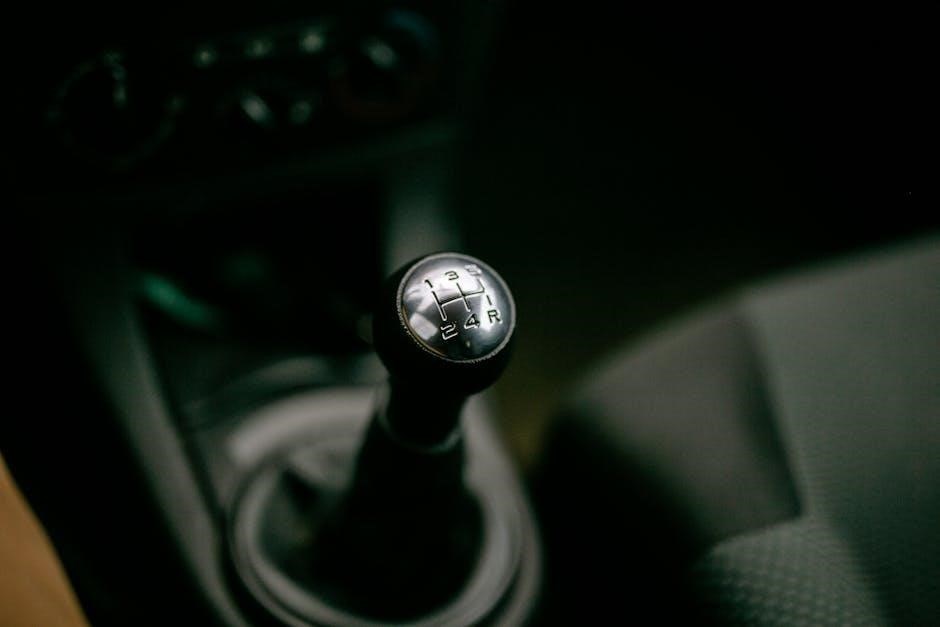
Manual transmissions offer direct driver control over gear selection, while automatics handle shifting automatically. Each system employs distinct mechanisms for power transfer and vehicle operation.
Basic Mechanisms of Each Type
Manual transmissions utilize a direct mechanical linkage between the gear selector, shift forks, and gears. The driver physically engages gears via a clutch pedal, controlling power flow. Automatic transmissions, conversely, employ a torque converter and planetary gearsets. Hydraulic pressure, controlled by a valve body, automatically selects gears based on vehicle speed and load.
Electronic controls further refine automatic shifting. Modern automatics often include manual modes, using electronic signals to mimic manual gear selection, though still relying on the automatic’s internal mechanisms for execution.
Driver Control and Engagement
Manual transmissions demand full driver engagement, requiring precise clutch and shifter coordination for optimal performance. This fosters a direct connection to the vehicle, allowing for nuanced control over engine speed and power delivery. Automatic transmissions, traditionally, offer less direct control, prioritizing convenience.
However, manual-mode automatics bridge this gap, granting drivers some control over gear selection. While not a full manual experience, it enhances engagement and allows for more spirited driving when desired.
Advanced Features & Technologies
Paddle shifters and sport modes elevate the manual experience, offering quicker shifts and aggressive programming; Adaptive learning optimizes transmission behavior for personalized performance.
Paddle Shifters ‒ Convenience and Speed
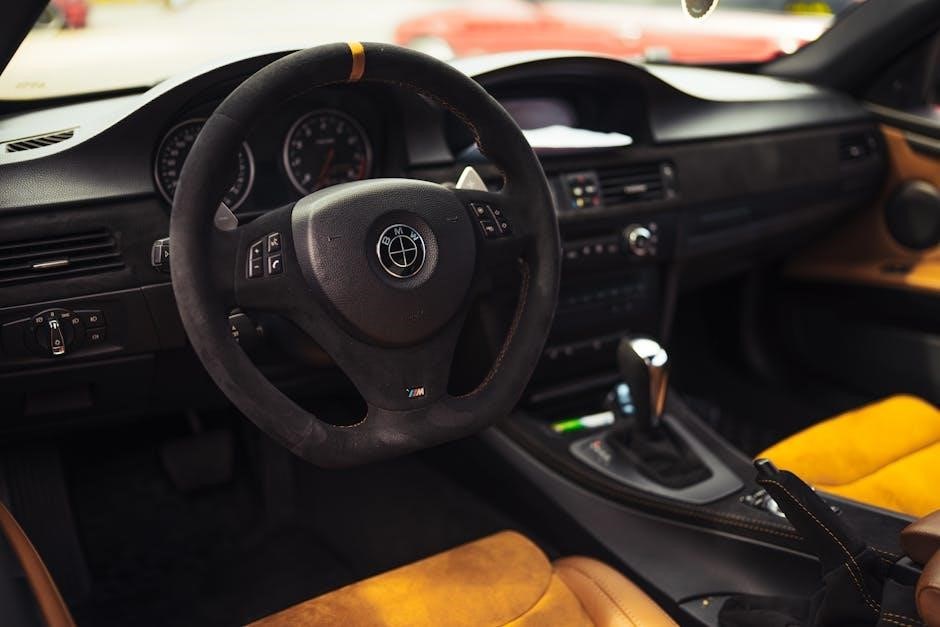
Paddle shifters, typically located behind the steering wheel, provide a convenient and rapid method for manually controlling gear changes. Unlike the traditional gear lever, they allow drivers to upshift and downshift without removing their hands from the steering wheel, enhancing both control and responsiveness. This feature is particularly beneficial during spirited driving or when precise gear selection is crucial. They offer a more engaging driving experience, bridging the gap between fully automatic operation and the direct control of a manual transmission, ultimately improving performance and driver satisfaction.
Sport Mode ‒ Aggressive Shifting
Sport mode fundamentally alters the automatic transmission’s shift points, holding gears longer to maximize engine power and responsiveness. This results in more aggressive acceleration and a more dynamic driving experience. Often, Sport mode also adjusts throttle sensitivity and steering weight, further enhancing performance. While offering exhilarating control, it’s important to note that Sport mode can reduce fuel efficiency due to the higher engine RPMs maintained during operation. It’s ideal for situations demanding spirited driving or quick overtaking maneuvers.
Adaptive Learning ‒ Transmission Optimization
Many contemporary automatic transmissions incorporate adaptive learning technology. This sophisticated system monitors the driver’s behavior – including shifting patterns and driving style – and adjusts shift points accordingly. Over time, the transmission learns to anticipate the driver’s preferences, providing smoother and more personalized gear changes. This optimization enhances both performance and fuel efficiency, creating a seamless driving experience tailored to individual needs. It’s a key feature in modern automatic gearboxes.
Troubleshooting Common Issues
Jerky shifts, slippage, or delayed responses can indicate problems. Diagnostic steps are crucial for identifying causes, ranging from low fluid to internal transmission issues.
Jerky Shifting ‒ Potential Causes
Jerky shifting when using manual mode can stem from several issues. Incorrect gear selection for the speed, or abrupt transitions between gears, are common culprits. Low transmission fluid levels or degraded fluid quality can also contribute, hindering smooth operation. Furthermore, issues within the transmission’s valve body or solenoid packs might cause erratic shifting behavior. In some instances, a failing torque converter or internal clutch pack damage could manifest as noticeable jerks during gear changes, necessitating professional inspection and repair.
Transmission Slippage ⎼ Warning Signs
Transmission slippage, particularly noticeable during manual shifts, presents several warning signs. A delayed engagement when selecting a gear, or the engine revving higher without a corresponding increase in speed, indicates potential issues. Shifting into a selected gear feels “soft” or unresponsive. Unusual noises, like whining or clunking, can also accompany slippage. Ignoring these symptoms can lead to more severe damage, potentially requiring a complete transmission overhaul or replacement, so prompt diagnosis is crucial.
Delayed Response ‒ Diagnostic Steps
If experiencing delayed response when manually shifting, begin by checking the transmission fluid level and condition – low or dirty fluid can hinder performance. Scan the vehicle’s computer for any diagnostic trouble codes. Inspect the shift linkage for damage or looseness. A professional mechanic can perform pressure tests to assess the internal health of the transmission. Further investigation might involve examining the valve body and solenoids for proper function.
Legal and Cultural Considerations (Philippines Context)
Respectful driving is paramount in the Philippines; road rage or unjust vexation, including verbal abuse, can have legal repercussions under local laws and customs.
Respect for Elders and Driving Etiquette
In Philippine culture, demonstrating respect for elders extends to the road. Aggressive driving, excessive honking, or impatient maneuvers, even when utilizing manual shift modes, are considered impolite. Yielding to older drivers, allowing them to merge, and avoiding confrontational behavior are crucial. Disrespectful actions can escalate quickly, potentially leading to legal issues related to unjust vexation or disturbing the peace. Maintaining composure and prioritizing courtesy reflects positively, fostering safer and more harmonious interactions on the roadways, regardless of transmission type.
Avoiding Unjust Vexation While Driving
Even when expertly utilizing manual shift modes, actions can unintentionally cause unjust vexation. Aggressive acceleration, tailgating, or repeatedly changing gears unnecessarily can annoy other drivers. Philippine law addresses actions causing “annoyance, irritation, torment, distress, or disturbance.” Avoid behaviors perceived as humiliating or disruptive. Maintaining a calm demeanor, signaling clearly, and respecting other road users minimizes the risk of legal repercussions. Prioritizing considerate driving, regardless of transmission control, is paramount for peaceful coexistence on the roads.
Safe Spaces Act and Road Rage
While manual shifting offers control, it doesn’t excuse aggressive driving. The Philippines’ Safe Spaces Act aims to protect individuals from harassment. Road rage incidents, even stemming from perceived driving errors while using manual mode, can violate this act. Verbal abuse or threatening gestures are illegal. Responding to provocation with similar behavior escalates situations. Prioritize de-escalation and avoid engaging with aggressive drivers, remembering that respectful conduct is legally protected and promotes safety for everyone.
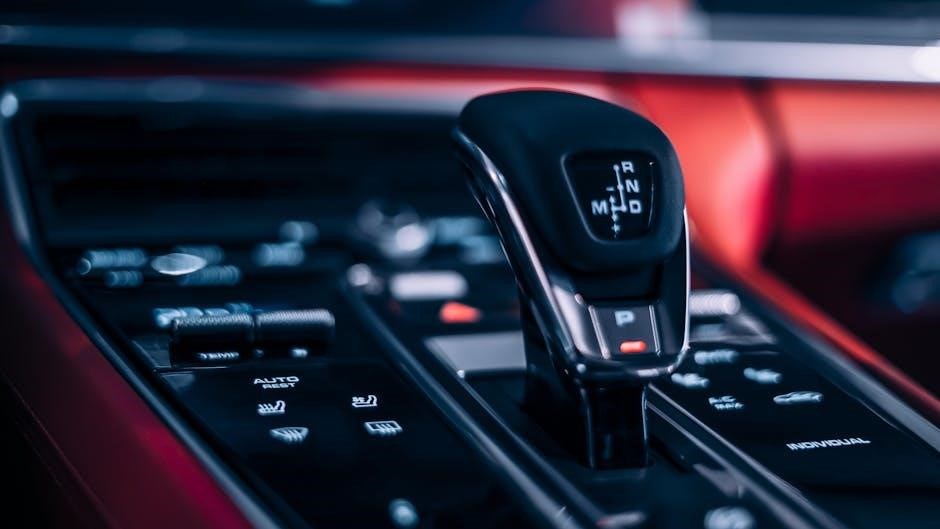
Toyota Hilux GD6 Manual Transmission Example
The Hilux GD6 offers Eco and Power modes, influencing shift points. Its diesel engine benefits from controlled manual shifts for optimal torque and fuel efficiency.
Eco Mode and Power Mode Features
Toyota Hilux GD6’s Eco mode prioritizes fuel efficiency by prompting earlier upshifts and lower gear holding, reducing engine load. Conversely, Power mode enhances acceleration, maintaining lower gears for longer durations, delivering increased responsiveness. These modes influence the automatic transmission’s shift patterns, even when utilizing manual shifting capabilities. Drivers can leverage these settings to tailor the vehicle’s performance to specific driving conditions, optimizing both economy and power as needed. Selecting the appropriate mode complements manual control, providing a more refined driving experience.
Diesel Engine Considerations
Diesel engines, like the Toyota Hilux GD6’s, deliver substantial torque at lower RPMs. When manually shifting, this allows maintaining lower gears for powerful acceleration or tackling challenging terrain. However, diesel engines benefit from efficient gear selection to stay within the optimal torque band. Utilizing manual mode prevents the transmission from hunting for gears, maximizing fuel economy and engine responsiveness. Understanding the diesel’s power delivery is crucial for effective manual control, ensuring smooth and powerful performance.
Mastering manual control enhances the driving experience, offering greater engagement and efficiency. Automatic transmissions continue evolving, but driver input remains valuable.
The Future of Automatic Transmissions
The trajectory of automatic transmissions points towards increased sophistication and artificial intelligence. Expect more refined adaptive learning systems that anticipate driver needs, optimizing shift points for both performance and fuel economy. Paddle shifters will likely become more integrated, offering quicker and more intuitive control. Fully automated systems, capable of independent gear selection based on driving conditions and driver preference, are also on the horizon. However, the core appeal of manual control – the direct connection between driver and machine – suggests a continued, albeit evolving, presence in automotive technology, catering to enthusiasts who value engagement.
Mastering Manual Control for a Better Driving Experience
Learning to effectively utilize manual mode transforms driving from a passive activity to an engaging experience. Understanding how to anticipate road conditions and select the appropriate gear unlocks improved engine braking and enhanced control, particularly in challenging terrains. While a learning curve exists, the benefits – optimized performance, increased responsiveness, and a deeper connection with the vehicle – are substantial. Ultimately, mastering manual control empowers drivers to tailor their experience and extract the full potential from their automatic transmission.